The Complete Longevity Supplement Stack: What 3 Doctors Actually Recommend
Three doctors. Three different specialties. 150 videos. One question: which supplements are actually worth taking? We cross-referenced every recommendation from Huberman (neuroscience), Attia (longevity medicine), and Hyman (functional medicine) to find where they agree, where they disagree, and what they personally take.

Jump to a supplement:
The Three Doctors We Analyzed

Andrew Huberman, PhD
Neuroscientist, Stanford
Host of Huberman Lab podcast. Known for deep-dive protocols on sleep, focus, and supplements.
View full channel analysis

Peter Attia, MD
Longevity Physician
Host of The Drive podcast. Former surgeon focused on longevity medicine with rigorous approach.
View full channel analysis
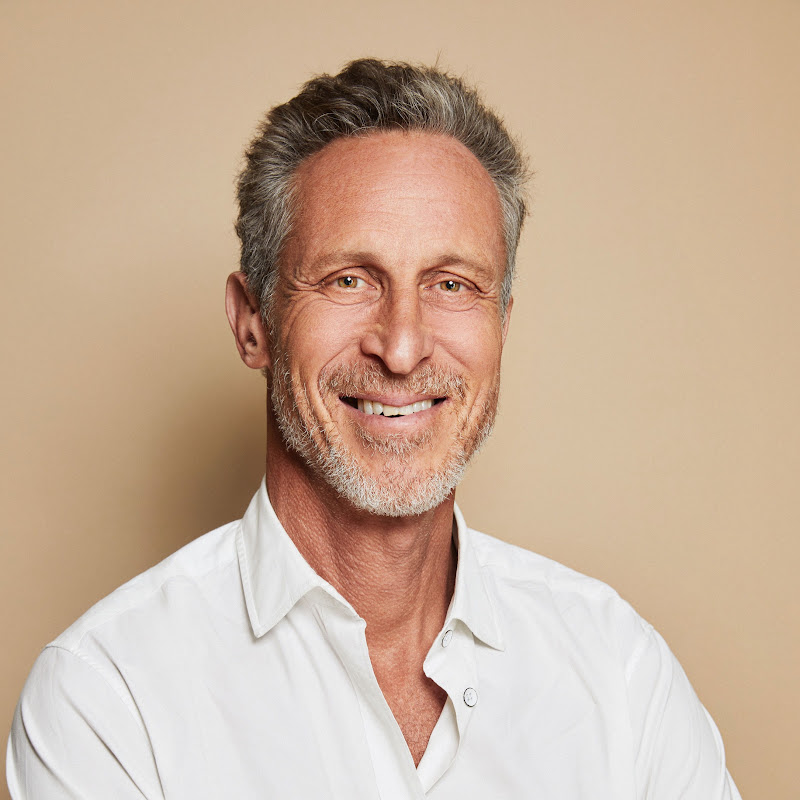
Mark Hyman, MD
Functional Medicine
15x NYT bestselling author. Pioneer in functional medicine focusing on root causes.
View full channel analysis
The longevity supplement space is overwhelming. New compounds emerge monthly, each promising to extend lifespan or improve healthspan. But what do the doctors who study this field actually take?
We used Taffy to analyze 150 recent videos from three leading voices in longevity medicine: Andrew Huberman, Peter Attia, and Mark Hyman. We extracted every supplement mention, noting dosages, timing, and caveats.
The surprising finding: Despite different backgrounds (neuroscience, longevity medicine, functional medicine), they agree on more than they disagree. The foundational supplements are the same. The experimental ones are where opinions diverge.
Important disclaimer
This guide synthesizes information from educational content. It is not medical advice. Consult your healthcare provider before starting any supplement regimen, especially if you have existing conditions or take medications.
Why Every Doctor Puts Omega-3s at the Top of the List
Mentioned 43 times across all three doctors. The most universally recommended supplement.
What the doctors say
Omega-3 fatty acids are the most universally recommended longevity supplement, mentioned 43 times across all three doctors we analyzed. Huberman emphasizes EPA and DHA from marine sources as crucial for brain and body health, often recommending 1-3g of EPA specifically for mood and cognitive benefits.
Attia discusses omega-3s in the context of cardiovascular health and inflammation. He's analyzed the research on omega-3 fatty acids extensively, noting that while the seed oil debate continues, marine-sourced omega-3s have consistent positive data.
Hyman highlights omega-3s as a "buffer against inflammation." In discussing depression research, he notes that EPA supplementation can prevent depressive symptoms triggered by inflammatory states.
Consensus recommendations
- Dosage: 1-2g combined EPA/DHA daily (some suggest higher EPA for mood)
- Form: Fish oil, krill oil, or algae-based (for vegetarians)
- Timing: With meals containing fat for better absorption
- Testing: Omega-3 index blood test to verify levels
All three doctors agree that omega-3s are foundational. The debate is mostly about optimal dosing and EPA vs. DHA ratios for specific goals.
Key Takeaway
Omega-3s are the rare supplement where all three doctors agree without caveats. If you take nothing else, take this. But test your omega-3 index first — many people are taking too little to actually move the needle.
Why Is Vitamin D3 So Important for Healthspan?
Mentioned 18 times. Called a "steroid hormone" that regulates hundreds of genes.
What the doctors say
Vitamin D3 functions as a steroid hormone that regulates hundreds of genes, and up to 70% of Americans have insufficient levels. Huberman presents it as a hormone that regulates a significant portion of the human genome, emphasizing the role of sunlight in natural production while noting most people are deficient.
Hyman cites alarming statistics: 70% of Americans have insufficient Vitamin D levels. He recommends 4000 IU daily as a foundational supplement, noting its critical role in immune function, bone health, and metabolic processes.
Key points of agreement
- Test first: Know your levels before supplementing
- Target: Blood levels of 40-60 ng/mL (some suggest higher)
- Form: D3 (cholecalciferol), not D2
- Cofactors: Take with K2 and magnesium for optimal function
- Dosage: 1000-5000 IU daily depending on current levels
Sunlight is ideal, but geographic location, skin tone, and lifestyle factors mean many people need supplementation. Testing is key, as too much vitamin D can also cause problems.
Which Form of Magnesium Should You Take?
Mentioned 7 times with specific focus on different forms for different purposes.
What the doctors say
The form of magnesium you choose matters as much as taking it at all, since different forms serve different purposes. Huberman is particularly detailed on magnesium forms, recommending Magnesium L-threonate specifically for cognitive function and neuroplasticity, as it crosses the blood-brain barrier effectively. For sleep, he mentions magnesium glycinate or threonate taken 30-60 minutes before bed (see our sleep optimization guide for the full bedtime protocol).
Hyman identifies magnesium as often lacking in the US population. He notes it's vital for ATP production (energy), DNA repair, and hundreds of enzymatic reactions. He recommends it as a foundational supplement alongside Vitamin D and Omega-3s.
Form matters
- L-threonate: Cognitive function, neuroplasticity (Huberman's preference)
- Glycinate: Sleep, relaxation, well-tolerated
- Citrate: General purpose, good absorption
- Oxide: Poor absorption, often causes GI issues
- Dosage: 200-400mg elemental magnesium daily
Magnesium deficiency is common due to soil depletion and processed food consumption. Most people benefit from supplementation, especially those with poor sleep or high stress.
Our take
Most people buying magnesium grab the cheapest bottle — magnesium oxide — which your body barely absorbs. The form genuinely matters here. If you're taking it for sleep (which is why most people land on this page), glycinate or threonate before bed is the move. Oxide is basically throwing money away.
Is Creatine More Than Just a Muscle Supplement?
Beyond muscle: emerging research on cognitive benefits and longevity.
What the doctors say
Creatine delivers significant cognitive and longevity benefits beyond its well-known muscle-building effects. Huberman discusses creatine not just for exercise performance but for brain health, noting phosphatidylserine and creatine as vital compounds for cognitive function.
Attia explores creatine benefits beyond exercise performance. He notes emerging research on cognitive benefits, particularly for aging populations, and considers it one of the most well-studied supplements available.
Hyman recommends creatine alongside resistance training as practical advice for muscle health and longevity, particularly for those over 40.
Research-backed benefits
- Muscle: Increases strength and power output
- Brain: May improve memory and cognitive function
- Aging: Helps maintain muscle mass with age
- Dosage: 3-5g creatine monohydrate daily
- Form: Creatine monohydrate (most studied, cheapest)
Creatine is one of the most researched supplements with an excellent safety profile. The cognitive benefits are particularly relevant for longevity.
Dig deeper into the source material
Search Huberman Lab for any supplement — dosages, timing, interactions, and caveats.
The NAD+ Debate: Promise vs. Evidence
The longevity molecule. Mentioned 5 times with nuanced views on evidence.
What the doctors say
NAD+ precursors like NMN show promise for cellular repair and energy, but the human evidence is still emerging and cost-benefit analysis matters. Huberman discusses NMN as a precursor to NAD+, which supports sirtuin activity (longevity genes), noting that NAD+ levels decline with age, and NMN supplementation may help maintain cellular energy and repair mechanisms.
Attia takes a more measured approach, discussing NAD's essential role in metabolic reactions and DNA repair. He notes the observed decline with age but emphasizes that human clinical data is still emerging. He also points out that exercise -- particularly Zone 2 training -- naturally boosts NAD+ levels.
Hyman includes NAD+ optimization as part of a multi-faceted approach to mitochondrial health, alongside diet, exercise, and sleep.
Current understanding
- NMN vs NR: Both are NAD+ precursors; NMN may have slight advantages
- Dosage: 250-1000mg NMN daily (varies by study)
- Cost: Relatively expensive; cost-benefit analysis matters
- Alternative: Exercise naturally increases NAD+ levels
- Evidence: Promising animal data; human studies ongoing
Caveat
NAD+ precursors are more experimental than foundational supplements like omega-3s and vitamin D. The evidence is promising but not yet definitive in humans. For a deeper dive into NR vs NMN vs niacin, see our NAD+ precursors comparison guide.
Should You Take Probiotics or Eat Fermented Foods?
Mentioned 8 times. Food-first approach recommended by all three.
What the doctors say
Fermented foods are more effective than probiotic supplements for improving microbiome diversity, according to Stanford research cited by Huberman. Huberman emphasizes fermented foods over probiotic supplements, noting that fermented foods (not fiber alone) most effectively reduced inflammation markers. He notes the probiotic supplement market is "largely unregulated."
Attia discusses fiber categories (soluble and insoluble) and their distinct roles. Insoluble fiber acts as roughage while soluble fiber feeds beneficial bacteria. He takes a measured view on probiotic supplements.
Hyman frequently discusses gut health as foundational to overall health, including its connection to brain function through BDNF (Brain-Derived Neurotrophic Factor).
Food-first approach
- Fermented foods: Yogurt, kefir, sauerkraut, kimchi, kombucha
- Fiber: Vegetables, fruits, legumes for prebiotic support
- Supplements: Consider after food optimization; choose quality brands
- Caution: Probiotic market is poorly regulated
What Role Does CoQ10 Play in Mitochondrial Health?
CoQ10 supports the electron transport chain essential for cellular energy production, making it particularly important for mitochondrial health and aging. Hyman discusses CoQ10 as part of mitochondrial health optimization, noting that signs of mitochondrial issues include fatigue, lack of energy, and slower recovery from exercise.
Mitochondrial health is increasingly recognized as central to aging. CoQ10 supports the electron transport chain, essential for cellular energy production.
CoQ10 considerations
- Form: Ubiquinol (reduced form) may be better absorbed than ubiquinone
- Statin users: Particularly relevant as statins deplete CoQ10
- Dosage: 100-300mg daily
- Timing: With fatty meals for absorption
Rapamycin and Metformin: The Prescription Drug Wild Cards
Prescription drugs studied for longevity. Requires physician supervision.
What the doctors say
Rapamycin and metformin are prescription drugs with strong animal longevity data, but they require physician supervision and carry significant side effects. Attia has discussed rapamycin extensively in longevity research contexts, exploring how drugs like rapamycin and metformin might have additive benefits. He suggests that while drugs like rapamycin affect overlapping pathways, combinations may still provide incremental benefits.
Huberman mentions rapamycin (sirolimus) in the context of specific medical cases, noting its origins as an immunosuppressant now being studied for broader longevity applications.
Important: Prescription required
Rapamycin and metformin are prescription medications with significant side effects. They're mentioned here for completeness but should only be considered under physician supervision, typically in longevity medicine practices.
Current research status
- Rapamycin: mTOR inhibitor; strong animal longevity data
- Metformin: Diabetes drug; TAME trial studying longevity effects
- Access: Through longevity-focused physicians
- Caution: Side effects and risks require medical supervision
What Supplements Do All Three Doctors Agree On?
Omega-3s are foundational
All three consistently agree on omega-3 fatty acids, recommending 1-2g EPA/DHA daily from quality sources. This is the most consistent recommendation across all their content.
Vitamin D deficiency is epidemic
Test your levels. Most people need supplementation, especially those in northern latitudes or with limited sun exposure.
Food comes first
Supplements fill gaps; they don't replace nutrition. A nutrient-dense diet is the foundation that all supplements build upon.
Sleep and exercise outweigh any supplement
No supplement can compensate for poor sleep or sedentary lifestyle. These fundamentals matter far more than any pill.
Magnesium is underrated
Critical for hundreds of enzymatic reactions, yet most people are deficient. Form matters (threonate, glycinate, citrate).
Where Do These Doctors Disagree on Supplements?
NAD+ precursors (NMN/NR)
The biggest disagreements center on NAD+ precursors, probiotic supplements versus fermented foods, and rapamycin for longevity. Huberman is more enthusiastic about NMN supplementation, while Attia takes a wait-and-see approach, noting human data is still emerging. All agree exercise naturally boosts NAD+.
Probiotic supplements vs. fermented foods
Huberman strongly prefers fermented foods, citing Stanford research. Others are more open to quality probiotic supplements as a complement.
Rapamycin for longevity
Attia discusses rapamycin research extensively. Others mention it less frequently. It remains a more experimental, prescription-only intervention.
The Evidence-Based Longevity Stack
Based on where all three doctors consistently agree, here's a prioritized approach:
- Omega-3s: 1-2g EPA/DHA daily
- Vitamin D3: Test levels; 1000-5000 IU based on needs
- Magnesium: 200-400mg (glycinate or threonate)
- Creatine: 3-5g monohydrate daily
- Vitamin K2: With D3 for bone/heart health
- Fermented foods: Daily for gut health
- NMN/NR: NAD+ precursors (evidence emerging)
- CoQ10: Especially if on statins
- Senolytics: Fisetin, quercetin (limited data)
- Rapamycin: Requires physician supervision
- Metformin: TAME trial ongoing
These require medical oversight and aren't for general use.
Frequently Asked Questions
What supplements do longevity doctors recommend most?
Based on 150 videos: Omega-3s, Vitamin D, Magnesium, Creatine, and NAD+ precursors. But all three emphasize food and lifestyle first.
What is Andrew Huberman's supplement stack?
Huberman discusses Omega-3s (1-3g EPA), Vitamin D, Magnesium L-threonate for cognition, and foundational micronutrients. He emphasizes protocols vary by individual.
Are NAD+ supplements worth it?
Evidence is promising but still emerging in humans. Exercise naturally boosts NAD+. If budget allows and you've optimized basics, it may be worth trying. All three discuss it positively but with caveats.
Should I take probiotics or eat fermented foods?
Huberman cites Stanford research favoring fermented foods for microbiome diversity. All agree food sources are preferable, with supplements as a complement if needed.
What matters more than supplements?
All three agree: sleep quality, regular exercise (especially resistance training), stress management, and a whole-foods diet matter far more than any supplement.
Want to explore these channels yourself?
Taffy lets you search and analyze any YouTube channel's content. Ask questions like "What does Huberman say about magnesium?" and get answers from their actual videos.
Get Started FreeFree daily channel insights. No credit card required.


Written by
Arun Agrahri
Builder of Taffy. I spend most of my time analyzing YouTube channels to find patterns others miss. These guides are the result of processing thousands of videos and comments through our data pipeline.
Get the next guide first
We publish deep-dive research guides weekly. Be the first to know when new analysis drops.
No spam. Unsubscribe anytime.