The Science-Backed
Cold Plunge Protocol
Huberman's Complete Guide to Deliberate Cold Exposure
"How cold? How long? Morning or night?" -- 4,500+ comments on Huberman's channel ask some version of these questions. Here are the exact protocols, timing guidelines, and science-backed answers from 10+ dedicated videos on deliberate cold exposure.

In This Guide
Andrew Huberman
Primary source for cold exposure protocols
View full channel analysis

Peter Attia MD
Cold exposure for mood & addiction
View full channel analysis
1. What Happens to Your Body During Cold Exposure?
Cold exposure triggers a four-stage physiological cascade: a cold shock response that releases adrenaline, a sustained dopamine increase of 200-300% above baseline, activation of calorie-burning brown fat, and a hormetic stress adaptation that builds resilience. Researchers like Dr. Susanna Soberg (University of Copenhagen) and Dr. Craig Heller (Stanford) have studied these responses extensively, and Huberman has synthesized their findings into actionable protocols.
What Happens When You Get Cold
Cold shock response: Your sympathetic nervous system activates, releasing adrenaline (epinephrine) and noradrenaline (norepinephrine). Heart rate and blood pressure temporarily increase.
Dopamine release: Cold exposure triggers a sustained increase in dopamine levels - up to 200-300% above baseline - that can last for hours after you get out.
Brown fat activation: Your body activates brown adipose tissue (BAT), which generates heat by burning calories. Regular cold exposure can increase brown fat volume over time.
Hormetic stress: Like exercise, cold is a controlled stressor that triggers adaptation. Your body becomes more resilient to stress and better at regulating temperature.
The Afterdrop Effect
After you exit cold water, your core body temperature actually continues to drop for 10-15 minutes as cold blood from your extremities returns to your core. This "afterdrop" can trigger shivering, which is when significant calorie burning occurs.
This is why Dr. Soberg recommends not warming up artificially after cold exposure - the natural rewarming process is where many metabolic benefits occur.
2. What Are the Proven Benefits of Cold Plunging?
The strongest research-backed benefits of cold plunging are a 200-300% sustained dopamine increase that improves mood and focus, metabolic activation through brown fat thermogenesis, and improved stress resilience through hormetic adaptation. Over 1,000 comments mentioned "benefits" when discussing cold exposure, and here is what the research supports:
Dopamine & Mood
- + 200-300% increase in dopamine
- + Sustained elevation (not spike-crash)
- + Improved mood and alertness
- + Potential addiction recovery tool
Metabolism & Fat Loss
- + Activates brown fat thermogenesis
- + Increases metabolic rate
- + Improves insulin sensitivity
- + Burns calories through shivering
Resilience & Stress
- + Builds mental resilience
- + Improves stress tolerance
- + Practices voluntary discomfort
- + Enhances focus and alertness
Recovery (With Caveats)
- + Reduces inflammation acutely
- + May reduce muscle soreness
- ! Can blunt muscle growth if timed poorly
- ! See timing section for details
What about longevity?
Peter Attia notes that while cold plunging has clear benefits for mood and may help with addiction recovery, the data for longevity and disease prevention is not as strong as it is for sauna use. The mood and metabolic benefits are well-supported, but don't expect cold exposure to be a longevity magic bullet.
3. How Cold Should a Cold Plunge Be and How Long Should You Stay In?
Aim for 50-59°F (10-15°C) water that feels uncomfortably cold but safe, with a weekly target of 11 total minutes spread across 2-4 sessions of 1-5 minutes each. The most common questions (134 about temperature, 1,162 about duration) center on exactly this, and here is what Huberman recommends based on Dr. Soberg's research.
The Weekly Target
Temperature: "Uncomfortably Cold"
Huberman's guideline: Cold enough that you want to get out, but safe enough to stay in. This varies by person and adaptation level.
Typical ranges:
- Beginners: 59-68°F (15-20°C)
- Intermediate: 50-59°F (10-15°C)
- Advanced: 40-50°F (4-10°C)
Duration: Start Short, Build Up
The 11 minutes per week can be divided however works for your schedule. You don't need marathon sessions.
Example weekly splits:
- Option A: 4 sessions x 2-3 minutes = 8-12 min/week
- Option B: 3 sessions x 3-4 minutes = 9-12 min/week
- Option C: 2 sessions x 5-6 minutes = 10-12 min/week
The Key: Subjective Experience
What matters is that it feels challenging TO YOU. As you adapt, you'll need colder temperatures or longer durations to get the same response.
Key Takeaway
The 11-minutes-per-week target from Dr. Soberg's research is a total weekly dose, not a per-session minimum. You can split it however you want -- four 3-minute sessions or two 5-minute sessions both work. The temperature matters more than the duration: it needs to feel uncomfortably cold to you personally, and that threshold changes as you adapt.
4. When Should You Cold Plunge and When Should You Avoid It?
Cold plunge in the morning or on non-lifting days for dopamine and metabolic benefits, but never immediately after strength training because it blunts muscle growth by reducing the inflammation needed for adaptation. 198 comments mentioned timing, and this is critical because cold exposure at the wrong time can actually undermine your fitness goals.
+ Good Times to Cold Plunge
- Morning: Great for dopamine boost and alertness throughout the day
- Separate days: On non-lifting days, anytime works
- Before workout: Can increase alertness, but may affect grip strength
- 4+ hours after lifting: Allows hypertrophy signaling to occur first
- When to AVOID Cold Plunge
- Right after strength training: Blunts muscle growth by reducing inflammation needed for adaptation
- Within 4 hours of lifting: The hypertrophy response is still active
- Before bed: The adrenaline response can disrupt sleep
- If hypothermic: Don't cold plunge when already cold
The Hypertrophy Trade-off
Both Huberman and Dr. Andy Galpin emphasize this: cold water immersion immediately after strength training can reduce muscle protein synthesis and blunt gains. The inflammation you're trying to reduce is actually part of the muscle-building signal. If muscle growth is your goal, keep cold exposure and strength training separated by at least 4 hours, or do them on different days.
Huberman's Personal Protocol
Huberman has mentioned doing cold exposure in the morning, separate from his training days, to get the dopamine and alertness benefits without interfering with his strength work.
Example week: Cold plunge Monday, Wednesday, Friday mornings. Strength training Tuesday, Thursday, Saturday. This keeps them completely separate.
Explore Huberman Lab's Full Channel
Search across every episode of Huberman Lab -- find specific protocols for cold exposure, sleep, supplements, and more.
5. How Do You Start Cold Plunging as a Beginner?
Start with 30-60 seconds of cold at the end of your regular shower for the first two weeks, then extend to 1-2 minutes, and progress to full immersion by week five. You do not need a fancy cold plunge tub to start, and here is how to build up safely using free or low-cost options.
Week 1-2: Cold Showers
End your regular shower with 30-60 seconds of the coldest water. Focus on breathing through the discomfort. Don't hyperventilate.
Week 3-4: Extend Cold Showers
Build up to 1-2 minutes of cold at the end of your shower. Practice staying calm and controlling your breathing.
Week 5+: Cold Immersion
Try full immersion in a cold bath, stock tank, or cold plunge. Start with 1-2 minutes and build from there.
Equipment Options
Budget-Friendly
- + Cold showers (free)
- + Bathtub with ice bags
- + Chest freezer conversion ($200-400)
- + Stock tank ($100-200)
Dedicated Units
- + Cold plunge tubs ($500-5,000+)
- + Chiller units for consistent temp
- + Ice Barrel, Plunge, Cold Pod brands
- + Gym cold plunge access
6. Why Should You Always End on Cold?
You should always end on cold because the natural rewarming process -- including shivering -- is when your body activates brown fat and burns the most calories, and jumping into a hot shower short-circuits these metabolic benefits. This principle comes from Dr. Susanna Soberg's research at the University of Copenhagen.
Dr. Susanna Soberg's Key Finding
"End on cold." After cold exposure, allow your body to reheat naturally. Don't jump into a hot shower or sauna immediately after.
Why This Matters:
- + The natural rewarming process activates brown fat
- + Shivering burns significant calories
- + Maximizes metabolic benefits of the cold exposure
- + Using external heat "short-circuits" these adaptations
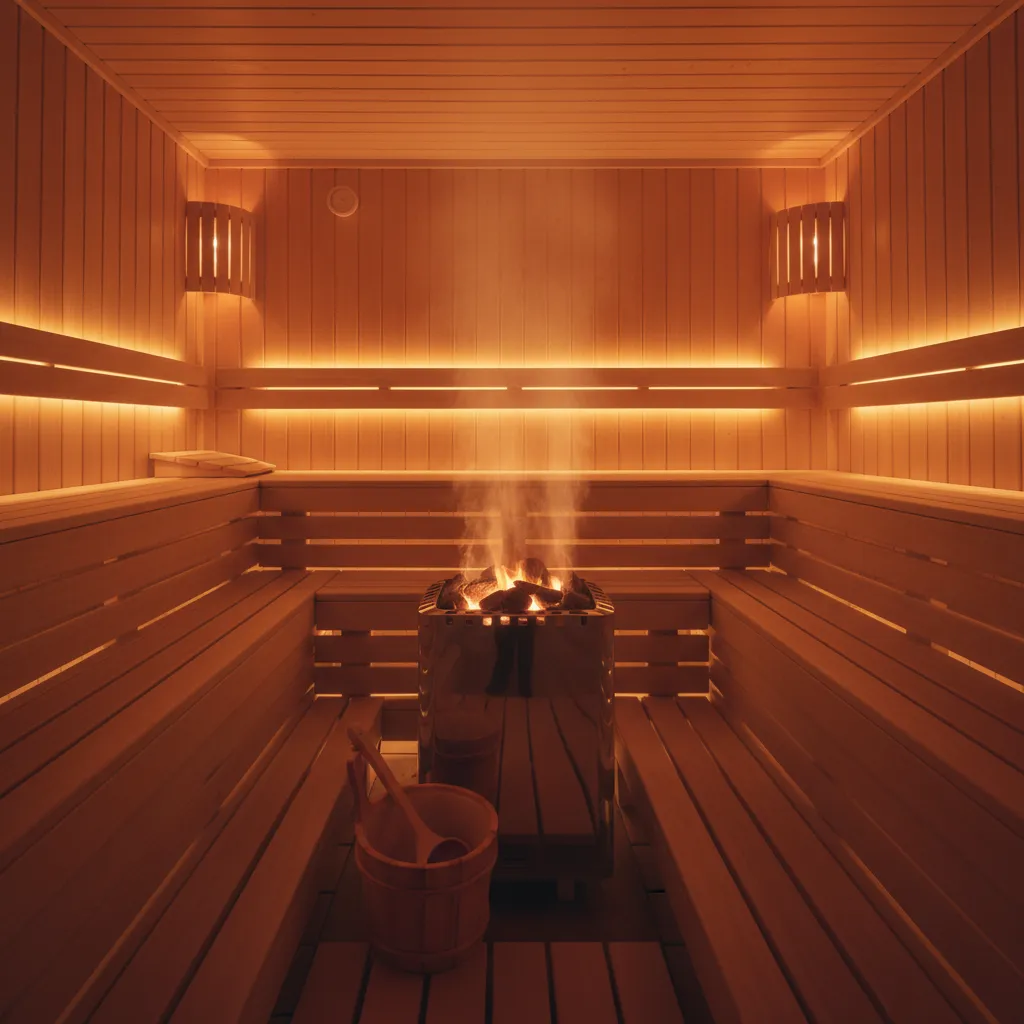
If Doing Both Sauna and Cold
If you're doing contrast therapy (alternating between heat and cold), Dr. Soberg recommends ending with cold to maximize metabolic benefits. The sequence matters:
- 1. Start with heat (sauna)
- 2. Move to cold (plunge)
- 3. Return to heat (optional)
- 4. End with cold
- 5. Let body reheat naturally (towel dry, warm clothes, but no hot shower)
Our take
The Soberg principle -- end on cold -- is the single most counterintuitive piece of cold exposure advice, and it is the one most people get wrong. Every instinct tells you to jump in a hot shower after a cold plunge. But the shivering and natural rewarming is where the real metabolic work happens. We have seen this question come up in hundreds of comments, and it is the difference between getting the full benefit of cold exposure and short-circuiting half of it. If you are doing contrast therapy with a sauna, the sequence is simple: always finish with cold, then let your body do the rest.
7. What Are the Most Common Cold Plunge Mistakes?
The five most common cold plunge mistakes are: plunging right after strength training (blunts muscle growth), warming up immediately after (short-circuits metabolic benefits), hyperventilating in the water (dangerous), going too cold too fast without progressive adaptation, and thinking longer sessions are always better when 11 minutes per week is the research-backed target.
Cold Plunge Right After Lifting
The #1 mistake. If you're trying to build muscle, cold exposure immediately after training will blunt your gains. Wait 4+ hours or do it on separate days.
Warming Up Immediately After
Jumping into a hot shower after your cold plunge short-circuits the metabolic benefits. Let your body shiver and reheat naturally.
Hyperventilating
The cold shock can trigger rapid breathing. This is dangerous, especially in water. Practice slow, controlled breathing. Never do breath holds in cold water.
Going Too Cold, Too Fast
Build up gradually. Starting in ice-cold water without adaptation is a shock to your system and increases risk. Cold showers first, then progress to immersion.
Thinking Longer = Better
The benefits come from the cold shock and the rewarming process, not from extended time in the cold. 11 minutes per week is the research-backed target. More isn't necessarily better.
8. FAQ from 4,500+ Comments
Real questions from Huberman and Attia viewers, answered based on what they've said across multiple videos.
Is a cold shower as effective as a cold plunge? ▼
Cold showers provide benefits but are generally less effective than full immersion. In a shower, water constantly runs off your body and is replaced by new cold water, which doesn't allow your body to create a thin thermal barrier. Full immersion provides more consistent cold exposure. That said, cold showers are a great starting point and better than nothing.
Can cold plunging help with depression or anxiety? ▼
The dopamine increase from cold exposure can improve mood, and Peter Attia has discussed cold water immersion as a tool for mood regulation and even addiction recovery. Dr. Anna Lembke shared case studies of patients using cold showers as a healthier alternative to substances. However, cold exposure is not a replacement for professional mental health treatment.
Is cold exposure safe for people with heart conditions? ▼
Cold exposure triggers a significant cardiovascular response - heart rate and blood pressure increase acutely. If you have a heart condition, high blood pressure, or other cardiovascular concerns, consult your doctor before starting cold exposure. This is especially important for the elderly and those with known cardiac issues.
Do I need to put my head underwater? ▼
No. Huberman generally recommends keeping your head above water. The face, palms, and soles of feet are highly efficient at heat transfer (due to glabrous skin), so you can splash cold water on your face or briefly dunk, but full head immersion isn't necessary and can be risky. The cold shock response can cause gasping, which is dangerous if your head is underwater.
Can I do cold plunge every day? ▼
You can, but you may not need to. The research target of 11 minutes per week suggests 2-4 sessions is sufficient for benefits. Daily cold exposure is fine if you enjoy it, but be aware that you may adapt quickly and need progressively colder temperatures to get the same response. Also ensure you're not interfering with strength training adaptations.
Does cold exposure help with fat loss? ▼
Cold exposure activates brown fat and increases metabolic rate, and the shivering response burns calories. However, Huberman notes this shouldn't be your primary fat loss strategy -- the calorie burn is modest compared to exercise and diet. Zone 2 cardio and nutrition remain the primary levers for fat loss. Think of cold exposure as a potential bonus, not a replacement for fundamental training.
What about Wim Hof breathing during cold exposure? ▼
Huberman advises against hyperventilating or doing breath holds IN the water - this is dangerous and has led to drownings. Wim Hof-style breathing can be done before entering the cold (on dry land) to prepare mentally, but once you're in the water, focus on slow, controlled breathing. Never hold your breath while submerged in cold water.
Want to research your own health topics?
Taffy lets you search transcripts, analyze comments, and extract insights from any YouTube channel. Find out what creators are actually saying about topics you care about.

Written by
Arun Agrahri
Builder of Taffy. I spend most of my time analyzing YouTube channels to find patterns others miss. These guides are the result of processing thousands of videos and comments through our data pipeline.
Get the next guide first
We publish deep-dive research guides weekly. Be the first to know when new analysis drops.
No spam. Unsubscribe anytime.