The Insulin Resistance Reversal Protocol: Testing, Diet, and GLP-1 Drugs
Your fasting glucose can look normal while your insulin levels are already 3x what they should be. Dr. Rhonda Patrick calls this "hidden insulin resistance" -- and across 99 FoundMyFitness videos, she lays out exactly which tests catch it early, which lifestyle changes reverse it, and where GLP-1 drugs like Ozempic fit into the picture.
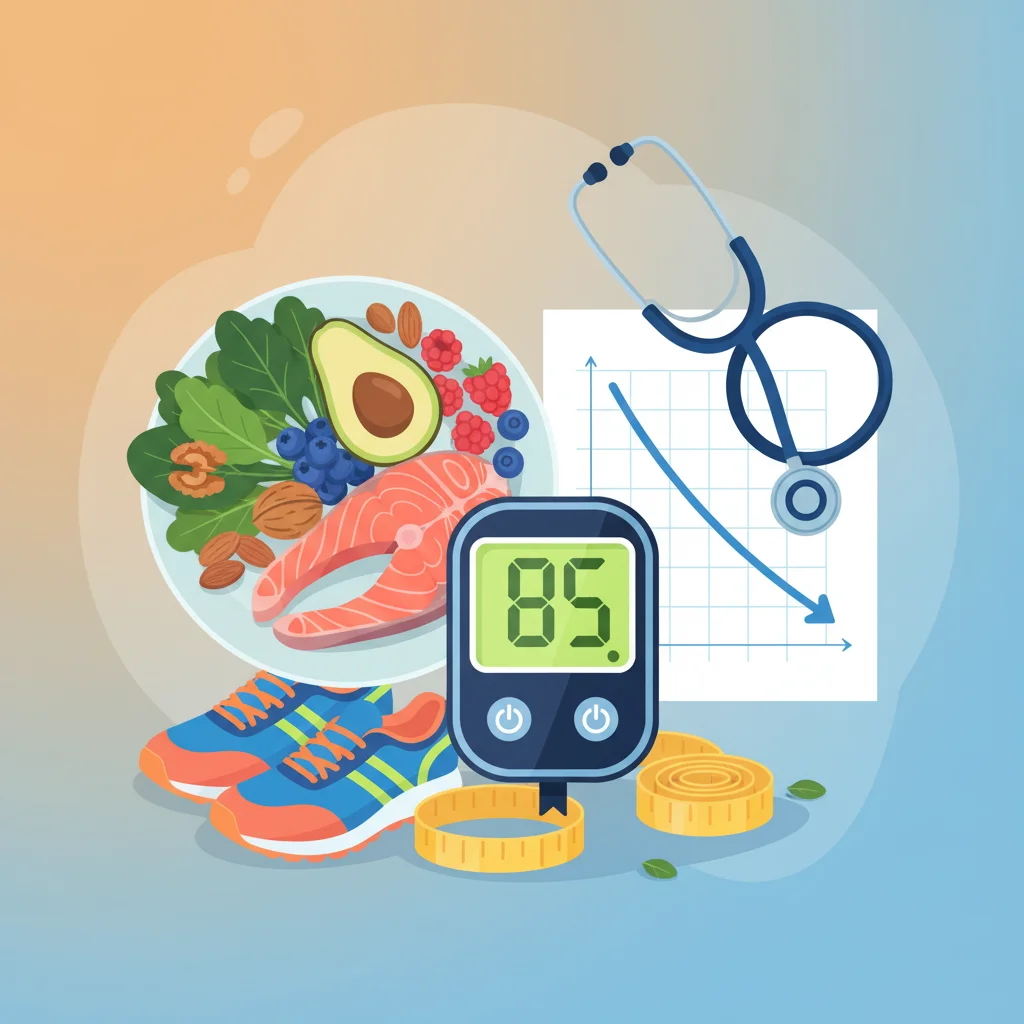
Medical Disclaimer: This content is for educational purposes only and should not be considered medical advice. Always consult your healthcare provider before making changes to your diet, exercise, or medication regimen.
Table of Contents
FoundMyFitness
Dr. Rhonda Patrick, PhD -- Biomedical Scientist
Dr. Rhonda Patrick covers the intersection of nutrition, genetics, and disease prevention. Her channel features deep-dive interviews with leading researchers including Dr. Ben Bikman (insulin resistance), Dr. Satchin Panda (circadian biology), and Dr. Peter Attia (metabolic health). The channel is known for translating complex peer-reviewed research into actionable protocols.
The Silent Epidemic: 88% of Americans Are Metabolically Unhealthy
Insulin resistance is not a niche concern. Research discussed across FoundMyFitness videos consistently frames it as the root cause underlying multiple chronic diseases: type 2 diabetes, obesity, cardiovascular disease, Alzheimer's (sometimes called "type 3 diabetes"), and even infertility. Only 12% of American adults are metabolically healthy by all standard measures, meaning the vast majority have some degree of insulin dysfunction.
The mechanism is straightforward but insidious. When you eat, your pancreas releases insulin to shuttle glucose into cells. When cells are repeatedly flooded with glucose -- through excess refined carbohydrates, constant snacking, or late-night eating -- they become less responsive to insulin's signal. Your pancreas compensates by producing more insulin, creating a vicious cycle of hyperinsulinemia that drives fat storage, inflammation, and metabolic dysfunction.
What makes insulin resistance particularly dangerous is that it can progress silently for years. Standard blood tests measure fasting glucose, which often remains normal until the disease is far advanced. By the time glucose is elevated, your pancreas has been overproducing insulin for potentially a decade or more.
Pro Tip: Dr. Ben Bikman, a frequent guest on FoundMyFitness, describes insulin resistance as a spectrum, not a binary diagnosis. Even before reaching the clinical threshold for prediabetes, your cells can be losing insulin sensitivity in ways that affect energy, weight, and long-term health.
The conditions linked to insulin resistance include:
Metabolic Conditions
- Type 2 diabetes
- Obesity and visceral fat accumulation
- Non-alcoholic fatty liver disease (NAFLD)
- Polycystic ovary syndrome (PCOS)
Downstream Diseases
- Cardiovascular disease
- Alzheimer's and cognitive decline
- Certain cancers (insulin as a growth signal)
- Infertility in both men and women
"I 'Wish' I had been watching this (and several others) 5 years ago, my father would STILL be here, R.I.P Dad."
-- FoundMyFitness viewer (87 likes)
This comment, one of the most-liked in the insulin resistance discussion, underscores the urgency. Insulin resistance is reversible when caught early, but the standard medical system rarely tests for the biomarkers that would catch it. The following sections lay out exactly what to test, how to interpret the results, and what interventions move the needle.
Key Takeaway
Fasting glucose -- the standard test your doctor orders -- is a late indicator. By the time it's elevated, insulin resistance has been progressing for years. The early markers that catch it are fasting insulin (under 6 uU/mL is optimal), HOMA-IR (under 1.0), and the triglyceride-to-HDL ratio (under 1.5). Most doctors don't order these unless you ask.
Testing That Matters: Fasting Insulin, HOMA-IR, Triglyceride/HDL Ratio
The single most important insight from FoundMyFitness on metabolic health testing: fasting glucose alone is insufficient. By the time fasting glucose is elevated, insulin resistance has been progressing for years. The biomarkers that catch insulin resistance early are fasting insulin, HOMA-IR, and the triglyceride-to-HDL ratio.
"It blows my mind that in this country to get the fasting insulin resistance test is not important enough, when in many different countries it is such a must have test."
-- FoundMyFitness viewer
| Test | Optimal Range | Concerning | Why It Matters |
|---|---|---|---|
| Fasting Insulin | < 6 uU/mL | > 10 uU/mL | Early marker; rises years before glucose |
| HOMA-IR | < 1.0 | > 2.0 | Combines insulin + glucose for accuracy |
| Triglyceride/HDL Ratio | < 1.5 | > 3.0 | Accessible proxy; available on standard lipid panel |
| Fasting Glucose | < 90 mg/dL | > 100 mg/dL | Late indicator; often normal until advanced stage |
| HbA1c | < 5.3% | > 5.7% | 3-month average glucose; misses acute swings |
| hs-CRP | < 1.0 mg/L | > 3.0 mg/L | Inflammation marker; elevated in insulin resistance |
How to Calculate HOMA-IR
HOMA-IR uses a simple formula from your fasting blood work:
HOMA-IR = (Fasting Insulin x Fasting Glucose) / 405
Where insulin is in uU/mL and glucose is in mg/dL. Ask your doctor for both values from a single fasting blood draw.
Continuous Glucose Monitoring
Dr. Casey Means, featured on the channel, advocates for CGM to reveal individual food responses that blood tests miss.
- Identifies personal "spike" foods
- Reveals post-meal glucose patterns
- Shows impact of sleep and stress on glucose
- Enables real-time dietary adjustments
"Interesting, I have an 8 as fasting insulin and less than 1.5 for Tri/Hdl ratio, yet I have pre diabetes and nafld. Can anyone explain this?"
-- FoundMyFitness viewer
Pro Tip: This viewer's comment highlights an important nuance: no single biomarker tells the complete story. NAFLD can develop even with relatively normal insulin levels if liver-specific fat metabolism is impaired. Always look at the full panel together with imaging (liver ultrasound) rather than relying on any single number.
The Diet Protocol: Low Carb, Time-Restricted Eating
Dietary intervention is the most powerful lever for reversing insulin resistance. Across FoundMyFitness content, two strategies emerge as the most evidence-supported: reducing refined carbohydrate intake and implementing time-restricted eating (TRE) aligned with your circadian rhythm. These are not mutually exclusive -- combining them amplifies the metabolic benefit.
"I was so happy that Dr. Bikman brought up the addiction to carbs and how he's affected by it. That was a game changer for me. I'm the person who eats the whole carton of ice cream in two days or the whole bag of chips in a sitting."
-- FoundMyFitness viewer (55 likes)
Carbohydrate Reduction Strategy
Dr. Ben Bikman, a leading insulin resistance researcher and FoundMyFitness guest, consistently emphasizes that hyperinsulinemia -- not just hyperglycemia -- is the core problem. Reducing the insulin load from food means reducing the foods that trigger the largest insulin responses: refined carbohydrates, sugary beverages, and highly processed foods.
This does not necessarily mean a strict ketogenic diet. The evidence discussed on the channel supports a spectrum of approaches, from moderate carb reduction to full keto, depending on the severity of insulin resistance and individual tolerance. The key metrics are how your glucose and insulin respond, not adherence to a specific macronutrient ratio.
Prioritize
- Non-starchy vegetables
- Protein: 30-50g per meal
- Healthy fats: avocado, olive oil, nuts
- Fatty fish (omega-3s)
- Fiber-rich foods
Moderate
- Whole grains (test individually)
- Legumes
- Low-glycemic fruits
- Starchy vegetables
- Dairy (individual response varies)
Eliminate
- Sugar-sweetened beverages
- Refined grains and white flour
- Processed snack foods
- Fruit juices
- High-fructose corn syrup
Time-Restricted Eating Protocol
Dr. Satchin Panda's research, extensively covered on FoundMyFitness, shows that when you eat matters as much as what you eat for metabolic health. Late-night eating disrupts insulin sensitivity through melatonin's effect on pancreatic function, a mechanism Dr. Patrick has discussed in multiple episodes. The protocol is straightforward:
The Window
- Duration: 8-10 hours eating, 14-16 hours fasting
- First meal: 1-2 hours after waking
- Last meal: 2-3 hours before sleep
- Consistency: Same window daily, including weekends
Why It Works
- Aligns eating with circadian insulin sensitivity
- Reduces total insulin exposure per day
- Improves hepatic glucose metabolism
- Enhances autophagy during fasting window
"I started implementing the principals Dr Ben spoke about... I'm finally getting my blood glucose within a normal range, every day, no spikes after meals, and all crappy cravings gone."
-- FoundMyFitness viewer (36 likes)
Pro Tip: Viewer questions on FoundMyFitness frequently ask about fasting for women specifically. Dr. Patrick has noted that women, particularly during perimenopause and menopause, may need to start with a wider eating window (10-12 hours) and gradually narrow it. Overly aggressive fasting can elevate cortisol and disrupt hormonal balance in some women.
Exercise as Medicine: How Movement Reverses Insulin Resistance
Exercise is consistently presented on FoundMyFitness as the most powerful single intervention for insulin sensitivity, appearing in 18 of the 99 analyzed videos. Zone 2 cardio and resistance training both activate GLUT4 glucose transporters independently of insulin, allowing glucose to enter cells without requiring insulin signaling. This is why even a single bout of exercise can lower blood sugar.
The data from FoundMyFitness is unambiguous: vigorous exercise is 4-10x more effective than moderate exercise for reducing mortality risk, based on UK Biobank wearable data covering hundreds of thousands of participants. For insulin resistance specifically, the combination of resistance training and high-intensity interval training (HIIT) delivers the greatest metabolic improvements.
Resistance Training
Building muscle mass increases your metabolic "sink" for glucose, improving insulin sensitivity 24/7, not just during exercise.
- Frequency: 2-4 sessions per week
- Focus: Compound movements (squat, deadlift, press)
- Approach: Progressive overload
- Why: Muscle is the primary site of glucose disposal
HIIT Protocol
HIIT improves glucose homeostasis through lactate signaling and increased glucose transporter expression.
- Protocol: Norwegian 4x4 (4 min at 85-95% max HR, 4 rounds)
- Frequency: 2-3 sessions per week
- Alternative: Exercise snacks (1-3 min vigorous bursts throughout the day)
- Benefit: Improves VO2 max, the strongest predictor of longevity
Pro Tip: Dr. Patrick frequently cites the finding that each unit increase in VO2 max is associated with a 45-day increase in life expectancy. For someone with insulin resistance, improving VO2 max through HIIT attacks both the metabolic dysfunction and the mortality risk simultaneously.
The Minimum Effective Dose
For those starting from a sedentary baseline, the data from FoundMyFitness is encouraging. Exercise "snacks" -- brief 1-3 minute bursts of vigorous activity throughout the day, like climbing stairs quickly or doing a few sets of bodyweight squats -- significantly reduce all-cause mortality. A study from the UK Biobank using wearable data found that participants who did just 3-4 minutes of vigorous intermittent lifestyle physical activity (VILPA) per day had substantially lower mortality risk.
Perhaps the most striking data point: three weeks of bed rest had a more detrimental effect on physical work capacity than 30 years of aging. The implication is clear: inactivity is the accelerator, and even modest movement is the brake. Start wherever you are and build from there.
Post-Meal Walking
One of the simplest and most effective interventions for post-meal glucose management. A 10-15 minute walk after eating can reduce the glucose spike by 30-50%.
Explore More Health Guides
From exercise protocols to supplement stacks, our guides distill thousands of hours of expert content into evidence-based strategies.
GLP-1 Drugs: Ozempic, Zepbound -- Evidence and Risks
GLP-1 receptor agonists have become the most discussed pharmaceutical intervention in the metabolic health space, and FoundMyFitness viewers are intensely interested in their role for insulin resistance. These drugs were originally developed for type 2 diabetes but have shown dramatic effects on weight loss and insulin sensitivity, sparking both enthusiasm and legitimate concern.
"What are your thoughts of helping a stubborn body to deal with High Insulin and Insulin Resistant to become metabolic flexible by using Zepbound as short-middle term help."
-- FoundMyFitness viewer
Semaglutide
Ozempic (diabetes), Wegovy (weight)
15-17% body weight loss in trials
Tirzepatide
Mounjaro (diabetes), Zepbound (weight)
Up to 22% body weight loss in trials
Mechanism
Mimics GLP-1 hormone
Slows gastric emptying, reduces appetite, improves insulin sensitivity
"If insulin makes you fat, why do GLP 1 agonist drugs (that increase insulin release) help people lose weight?"
-- FoundMyFitness viewer
This is one of the most insightful viewer questions in the dataset. The answer reveals an important nuance: GLP-1 drugs increase insulin secretion only in response to food (glucose-dependent), while simultaneously reducing total food intake and slowing gastric emptying. The net effect is lower total insulin exposure over the course of a day, even though the per-meal insulin response is enhanced. This is fundamentally different from chronic hyperinsulinemia driven by constant eating.
Risks and Considerations
- Gastrointestinal side effects: Nausea, vomiting, and digestive discomfort are common, especially during dose titration
- Muscle mass loss: Rapid weight loss from any cause typically includes 20-30% lean mass loss; resistance training and high protein intake (1.6-2.2g/kg) are essential countermeasures
- Weight regain: Most patients regain weight upon discontinuation, suggesting long-term use may be necessary
- Cost: $800-1,000+/month without insurance, creating significant access barriers
- Unknown long-term effects: These drugs have been widely used for weight loss for only a few years; 10+ year safety data is limited
- Thyroid concerns: Contraindicated in patients with personal or family history of medullary thyroid carcinoma
Pro Tip: The most pragmatic perspective from FoundMyFitness discussions: GLP-1 drugs may be most useful as a bridge. Use the drug to break the cycle of insulin resistance and carbohydrate cravings while simultaneously building the exercise and dietary habits that will sustain metabolic health long-term. The goal is metabolic flexibility, not pharmaceutical dependence.
Our take
After analyzing thousands of viewer comments on insulin resistance content, the most consistent pattern is frustration with conventional medicine. Viewers describe years of 'normal' blood work before a diabetes diagnosis. The fix is straightforward but rarely implemented: ask for fasting insulin, not just fasting glucose. A $30 blood test can catch insulin resistance a decade before it becomes diabetes. The fact that most doctors don't order this test routinely is a systemic failure.
Supplements for Metabolic Health: Berberine, Chromium, and Beyond
FoundMyFitness takes a systematic, evidence-based approach to supplementation. Dr. Patrick consistently frames micronutrient deficiencies as "low-hanging fruit" for health, noting that up to 70% of Americans are deficient in vitamin D and nearly half have inadequate magnesium intake. For insulin resistance specifically, several longevity supplements have clinical evidence supporting their use, though none replace the foundational interventions of diet and exercise.
| Supplement | Evidence Level | Mechanism | Typical Dose |
|---|---|---|---|
| Magnesium | Strong | Required for 300+ enzymatic processes including insulin signaling | 300-400 mg/day (glycinate or threonate) |
| Vitamin D | Strong | Regulates 1,000+ genes; deficiency linked to insulin resistance | 2,000-5,000 IU/day (target 40-60 ng/mL) |
| Omega-3 (EPA/DHA) | Strong | Reduces inflammation; improves cell membrane insulin receptor function | 2-4 g/day combined EPA+DHA |
| Berberine | Moderate | Activates AMPK; comparable to metformin in some studies | 500 mg 2-3x/day with meals |
| Chromium | Moderate | Enhances insulin receptor sensitivity; may improve glucose uptake | 200-1,000 mcg/day (picolinate form) |
| Sulforaphane | Moderate | Activates Nrf2 pathway; reduces oxidative stress and inflammation | Broccoli sprouts or standardized extract |
"Is cinnamon as effective as ACV in lowering blood sugar? Concerned about acv and damage to the enamel on my teeth."
-- FoundMyFitness viewer
This viewer question reflects a common pattern in the comments: people looking for simple, accessible interventions. The evidence for cinnamon (ceylon, not cassia) shows modest glucose-lowering effects. Apple cider vinegar has some support for blunting post-meal glucose spikes when taken before a meal, though the effect size is small compared to dietary and exercise interventions. Neither should be considered a primary treatment for insulin resistance.
Pro Tip: Dr. Patrick's approach to supplementation follows a clear hierarchy: fix deficiencies first (vitamin D, magnesium, omega-3), then consider targeted additions (berberine, chromium) only if metabolic markers have not improved sufficiently with diet, exercise, and baseline supplementation. A daily multivitamin can significantly reduce brain aging according to the COSMOS trials she has discussed.
NAFLD Reversal: The 90-Day Protocol
Non-alcoholic fatty liver disease (NAFLD) is the hepatic manifestation of insulin resistance. When cells become resistant to insulin, excess glucose gets converted to fat in the liver. An estimated 25% of the global population has some degree of NAFLD, and it can progress to non-alcoholic steatohepatitis (NASH), fibrosis, and eventually cirrhosis if left unaddressed.
"I wonder if NAFLD can be turned around in 90 days?"
-- FoundMyFitness viewer
The answer, based on the evidence discussed across FoundMyFitness content: yes, significant liver fat reduction is achievable within 90 days through consistent lifestyle interventions. The liver is a remarkably regenerative organ. Studies show that even modest weight loss of 5-10% can meaningfully reduce liver fat, and more aggressive interventions can produce dramatic improvements.
The 90-Day NAFLD Reversal Protocol
Days 1-14: Foundation
Eliminate all sugar-sweetened beverages and fruit juices (fructose is directly metabolized by the liver and is a primary driver of hepatic fat). Implement a 12-hour eating window. Begin daily 15-minute post-meal walks. Get baseline liver ultrasound and blood panel including ALT, AST, GGT, fasting insulin, and lipid panel.
Days 15-30: Intensification
Narrow eating window to 8-10 hours. Begin resistance training (2x/week minimum). Reduce refined carbohydrates to less than 100g/day. Add omega-3 supplementation (2-4g EPA+DHA daily) and ensure vitamin D levels are adequate. Increase protein to 1.6g/kg body weight.
Days 31-60: Acceleration
Add HIIT sessions (2x/week, Norwegian 4x4 protocol). Consider adding berberine (500mg with meals, 2-3x/day). Increase resistance training to 3x/week. Focus on progressive overload to build metabolic muscle mass. Monitor energy levels and adjust as needed.
Days 61-90: Consolidation
Maintain all protocols. Retest full blood panel at day 90: fasting insulin, HOMA-IR, triglyceride/HDL ratio, liver enzymes, and HbA1c. Schedule follow-up liver ultrasound to measure fat reduction. Assess which habits are sustainable for long-term maintenance.
Important: If you have been diagnosed with NASH (non-alcoholic steatohepatitis) or liver fibrosis, work with a hepatologist. While lifestyle interventions are the first-line treatment for NAFLD, advanced liver disease may require additional medical management. The protocol above is designed for early to moderate NAFLD.
The key insight from the FoundMyFitness data: fructose is the primary dietary driver of liver fat accumulation because it is exclusively metabolized by the liver. Eliminating sugar-sweetened beverages alone produces measurable liver fat reduction in most people, making it the single highest-impact dietary change for NAFLD.
Monitoring Progress: What to Retest and When
Reversing insulin resistance is not a one-time intervention. It requires tracking biomarkers over time to confirm your protocol is working and to catch regression early. Based on the testing framework discussed across FoundMyFitness content, here is the recommended monitoring schedule.
| Timeline | Tests | What to Look For |
|---|---|---|
| Baseline (Day 0) | Full panel: fasting insulin, glucose, HbA1c, lipid panel, hs-CRP, liver enzymes, vitamin D, omega-3 index | Establish starting values for all markers; calculate HOMA-IR and Trig/HDL ratio |
| 6 Weeks | Fasting insulin, glucose, lipid panel | Early response indicators; fasting insulin should begin trending downward |
| 90 Days | Full panel repeat + liver ultrasound (if NAFLD) | Significant improvement expected: lower HOMA-IR, improved Trig/HDL, reduced liver fat |
| 6 Months | Full panel + HbA1c + body composition (DEXA) | HbA1c reflects 3-month average; should show sustained improvement |
| Annually | Comprehensive metabolic panel, VO2 max test, DEXA scan | Long-term maintenance; catch regression early; track body composition changes |
Signs of Progress
- Fasting insulin trending below 6 uU/mL
- HOMA-IR approaching or below 1.0
- Triglyceride/HDL ratio below 1.5
- Reduced waist circumference
- Improved energy and reduced cravings
- Better sleep quality
- Normalized liver enzymes (ALT, AST)
Red Flags Requiring Medical Attention
- Fasting glucose rising above 126 mg/dL
- HbA1c exceeding 6.5% (diagnostic for type 2 diabetes)
- Liver enzymes (ALT, AST) significantly elevated
- Persistent fatigue despite lifestyle changes
- Dark patches on skin (acanthosis nigricans)
- Unexplained weight gain despite compliance
- Numbness or tingling in extremities
Pro Tip: Dr. Patrick recommends testing vitamin D and omega-3 index as part of any metabolic health panel. Low omega-3 intake is as detrimental to life expectancy as smoking, according to Harvard research she has cited. These are inexpensive tests that reveal deficiencies with straightforward, high-impact corrections.
Frequently Asked Questions
What is insulin resistance?
Insulin resistance is a condition where cells in your muscles, fat, and liver stop responding effectively to insulin. Your pancreas compensates by producing more insulin, leading to hyperinsulinemia. Dr. Rhonda Patrick and her guests describe it as a common root cause for type 2 diabetes, obesity, cardiovascular disease, Alzheimer's disease, and infertility, affecting an estimated 88% of American adults to some degree.
How do you test for insulin resistance?
The most informative tests are fasting insulin (optimal below 6 uU/mL), HOMA-IR calculated from fasting insulin and glucose (optimal below 1.0), and triglyceride-to-HDL ratio (optimal below 1.5). Standard fasting glucose alone misses early insulin resistance because glucose can remain normal while insulin is already elevated. Ask your doctor specifically for a fasting insulin test.
Can insulin resistance be reversed?
Yes. Evidence discussed on FoundMyFitness consistently shows that insulin resistance is reversible through dietary changes, exercise, and lifestyle interventions. Viewers report significant improvements within 90 days of combining low-carb eating, time-restricted eating, and regular exercise including both resistance training and HIIT.
What diet reverses insulin resistance?
The most effective approaches include reducing refined carbohydrates and processed foods, implementing time-restricted eating within an 8-10 hour window, adequate protein intake (1.6-2.2g per kg body weight), and prioritizing whole foods rich in fiber, omega-3 fatty acids, and micronutrients. The specific macronutrient ratio matters less than individual glucose and insulin response.
Are GLP-1 drugs safe for insulin resistance?
GLP-1 agonists like Ozempic and Zepbound can improve insulin sensitivity and produce significant weight loss. However, they carry risks including gastrointestinal side effects, muscle mass loss, and weight regain upon discontinuation. They may be most effective as a bridge to building sustainable lifestyle habits, combined with resistance training and adequate protein intake.
What is NAFLD and can it be reversed?
Non-alcoholic fatty liver disease (NAFLD) is liver fat accumulation closely linked to insulin resistance, affecting approximately 25% of the global population. It is reversible through lifestyle interventions -- particularly eliminating fructose-heavy beverages, implementing time-restricted eating, and regular exercise. Significant liver fat reduction is achievable within 90 days of consistent intervention.
Want to research metabolic health topics across more channels?
Taffy lets you search transcripts, analyze comments, and extract insights from any YouTube channel. Ask questions like "What does Dr. Patrick say about fasting insulin and HOMA-IR?" and get answers from actual video content.
Explore FoundMyFitness on Taffy
See the full channel analysis, search transcripts, and explore all 99 analyzed videos from Dr. Rhonda Patrick's FoundMyFitness.
View FoundMyFitness Channel Analysis


Written by
Arun Agrahri
Builder of Taffy. I spend most of my time analyzing YouTube channels to find patterns others miss. These guides are the result of processing thousands of videos and comments through our data pipeline.
Get the next guide first
We publish deep-dive research guides weekly. Be the first to know when new analysis drops.
No spam. Unsubscribe anytime.