Brain Health: Evidence-Based Strategies to Prevent Cognitive Decline
Alzheimer's pathology starts building 20 years before the first symptom. Dr. Rhonda Patrick has spent years unpacking this science on FoundMyFitness -- and across 99 videos and 24,000+ viewer comments, a clear hierarchy emerged for protecting your brain: which interventions have the strongest evidence, which nutrients most people are missing, and what actually slows cognitive decline.
In this guide:
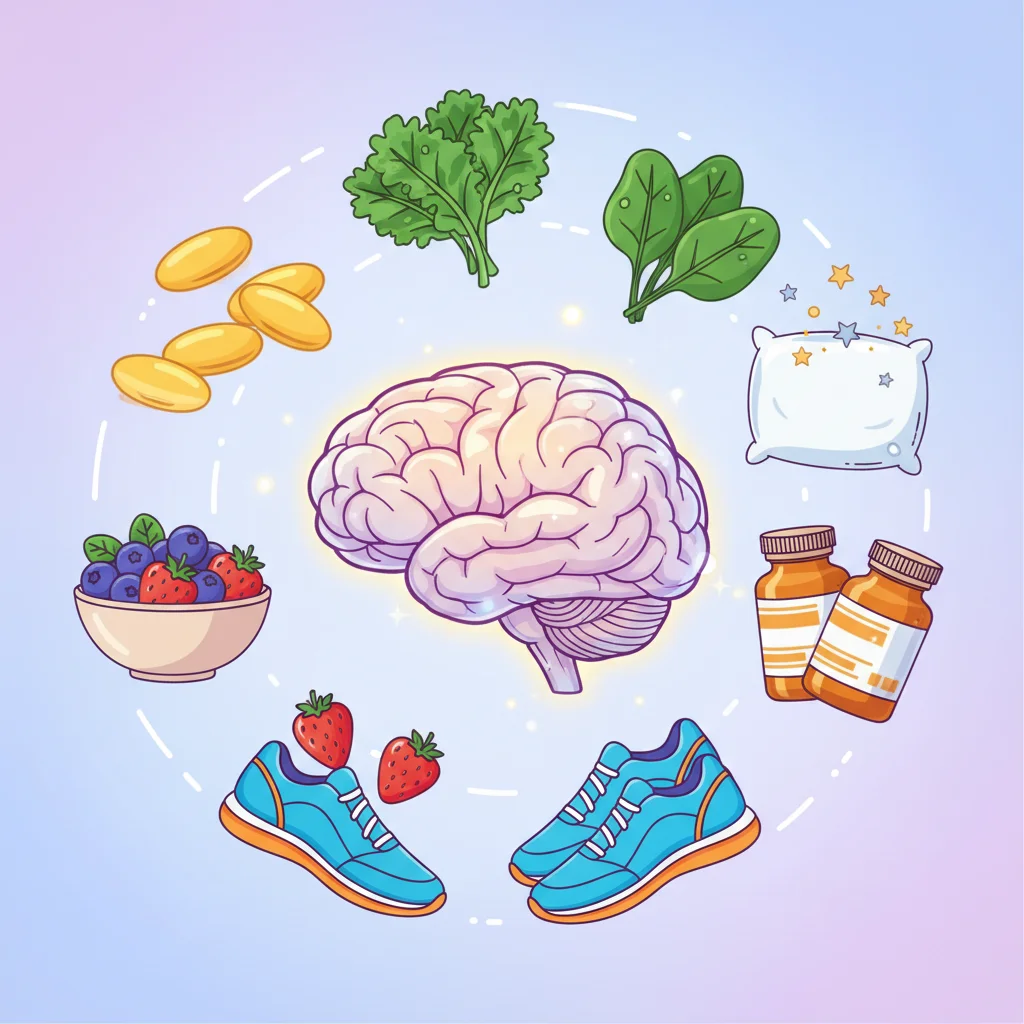
Cognitive decline is not inevitable. That is the central message running through Dr. Rhonda Patrick's work on brain health across FoundMyFitness. And it is backed by an increasingly compelling body of research showing that lifestyle interventions can meaningfully reduce dementia risk, slow brain aging, and even promote neurogenesis in adulthood.
We used Taffy to analyze 99 videos and over 24,000 comments from FoundMyFitness, extracting every evidence-based strategy discussed for protecting the brain. What emerged was a clear hierarchy: exercise and sleep form the foundation, specific nutrient deficiencies accelerate decline, and targeted supplements offer additional protection once the basics are covered.
The most striking finding: Brain health appeared as one of the top 3 themes across the entire channel, with 14 dedicated videos exploring how lifestyle factors protect against cognitive decline, dementia, and Alzheimer's disease. The viewer community had 331 questions specifically about brain health and cognitive decline prevention, with 786 total likes on those questions -- signaling that this is one of the most urgent concerns for the FoundMyFitness audience.
Important disclaimer
This guide synthesizes information from educational content by Dr. Rhonda Patrick. It is not medical advice. Consult your healthcare provider before making changes to your health regimen, especially if you have existing conditions, a family history of neurodegenerative disease, or take medications.
The Science of Cognitive Decline
Alzheimer's disease and other forms of dementia do not appear overnight. Dr. Rhonda Patrick frequently emphasizes that neurodegenerative processes begin decades before symptoms appear, making prevention a long-game strategy that benefits from early action. The pathology involves the accumulation of amyloid-beta plaques and tau protein tangles, chronic neuroinflammation, blood-brain barrier degradation, and metabolic dysfunction in brain cells.
One of the counter-intuitive truths from the FoundMyFitness analysis: three weeks of bed rest damages cardiovascular fitness more than 30 years of normal aging. The Dallas Bed Rest Study demonstrated this, and the implications for brain health are profound -- physical inactivity accelerates the very vascular and metabolic processes that drive neurodegeneration. Patrick treats physical inactivity as a disease state comparable to smoking in its health impact.
The channel's transcript analysis reveals a consistent framework: brain health is not a single-intervention problem. It requires addressing multiple pillars simultaneously -- cardiovascular fitness, sleep quality, nutrient status, metabolic health, and environmental exposures. The sections that follow break down each of these pillars based on the evidence Dr. Patrick presents.
Key insight from 24,000+ comments
The most-asked brain health question from the FoundMyFitness audience: "How does Alzheimer's disease develop and what can I do to prevent cognitive decline through diet, exercise, and supplements?" This question appeared 331 times with 786 likes, making it one of the top 5 viewer concerns across the entire channel.
Key Takeaway
Three weeks of bed rest damages cardiovascular fitness more than 30 years of aging. The implication: inactivity, not age, is the primary accelerant of cognitive decline. Starting exercise at any age produces meaningful brain-protective adaptations.
Exercise as Brain Medicine: VO2 Max and BDNF
Appeared in 18 out of 99 videos. The single most powerful intervention for brain health according to FoundMyFitness.
Vigorous exercise and VO2 max improvement is the top theme across all of FoundMyFitness, appearing in 18 videos. Dr. Patrick presents it as the single most powerful intervention for extending both lifespan and healthspan -- and its effects on the brain are a major part of that equation.
The mechanism is multifaceted. Exercise increases brain-derived neurotrophic factor (BDNF), a protein that supports the survival of existing neurons and encourages the growth of new neurons and synapses. BDNF is sometimes called "Miracle-Gro for the brain," and its levels decline with age and sedentary behavior. Vigorous exercise is particularly potent at stimulating BDNF production.
A striking finding from the analysis: one minute of vigorous exercise may be worth 4-10 minutes of moderate exercise, not the commonly cited 2-minute equivalence. UK Biobank data with wearable accelerometers on 73,000+ adults found that vigorous activity is 4-10x more potent than moderate activity for reducing mortality and disease risk. This applies directly to brain health -- higher cardiorespiratory fitness correlates with larger brain volumes and slower cognitive decline.
Exercise protocols discussed on FoundMyFitness
- Norwegian 4x4: 4 minutes at 85-95% max heart rate, 3 minutes recovery, repeated 4 times. The gold standard for VO2 max improvement.
- Exercise snacks: 1-3 minute bursts of intense activity throughout the day. VILPA studies show these significantly reduce cancer, cardiovascular, and all-cause mortality.
- Zone 2 training: Sustained moderate-intensity cardio for mitochondrial density and fat oxidation. Complements vigorous training.
- Resistance training: Essential for muscle mass maintenance, which is independently protective for metabolic and brain health.
Beyond BDNF, exercise improves cerebrovascular function (blood flow to the brain), reduces neuroinflammation, enhances insulin sensitivity in brain tissue, and promotes the clearance of metabolic waste. Dr. Patrick emphasizes that exercise is not optional for brain health -- it is the most effective intervention available, exceeding any supplement or drug currently known.
Viewer demand
454 viewer comments asked about optimal exercise protocols for longevity, including how much Zone 2, strength training, HIIT, and VO2 max work to do each week. The audience is deeply engaged with the practical "how much and how often" of exercise prescription.
Sleep and the Glymphatic System
Covered across 9 videos. Sleep is the brain's primary waste-clearance mechanism.
Sleep optimization and circadian biology is a foundational theme on FoundMyFitness, explored across 9 videos as a pillar of metabolic and cognitive health. Dr. Patrick presents sleep not as passive rest but as an active biological process during which the brain performs critical maintenance -- particularly through the glymphatic system.
The glymphatic system is the brain's dedicated waste-clearance pathway. During deep sleep, cerebrospinal fluid flows through brain tissue, flushing out metabolic byproducts including amyloid-beta and tau proteins -- the very proteins that accumulate in Alzheimer's disease. This system is most active during slow-wave (deep) sleep, which means anything that disrupts deep sleep directly impairs the brain's ability to clear neurotoxic waste.
The FoundMyFitness analysis revealed that Dr. Patrick covers insomnia treatment via cognitive behavioral therapy for insomnia (CBT-I) as the first-line intervention, circadian meal timing and its metabolic consequences, the relationship between sleep deprivation and accelerated brain aging, sleep apnea's underappreciated prevalence, and how heat exposure (sauna) and morning light exposure optimize sleep architecture.
Sleep optimization strategies from FoundMyFitness
- Morning light exposure: Anchors the circadian clock and sets melatonin timing for the evening.
- Caffeine timing: Time coffee consumption exclusively in the morning. Late-day caffeine disrupts sleep architecture and hormone release.
- Sauna before bed: The post-sauna body temperature drop mimics the natural thermoregulatory signal for sleep onset and enhances slow-wave sleep.
- CBT-I over medications: Cognitive behavioral therapy for insomnia addresses root causes rather than masking symptoms.
- Circadian meal timing: Avoid eating within 2-3 hours of bedtime to reduce metabolic disruption during sleep.
Caution
298 viewer comments asked about sleep optimization, with particular concern from shift workers and those dealing with circadian rhythm disruption. Dr. Patrick acknowledges that shift work is a significant challenge for brain health, and targeted interventions (light therapy, timed melatonin, strategic napping) become even more important in these populations.
Key Nutrients: Omega-3s, Vitamin D, Magnesium
Micronutrient deficiency appeared as a theme in 15 videos. Dr. Patrick calls correcting these deficiencies the "low-hanging fruit" of longevity.
A recurring emphasis on FoundMyFitness is that widespread population-level deficiencies in vitamin D, omega-3 fatty acids, and magnesium are underappreciated drivers of chronic disease, accelerated aging, and premature death. The channel frames correcting these deficiencies as the highest-return-on-investment health intervention (we cover the full stack in our longevity supplements guide), and the brain health implications are particularly compelling.
Omega-3 Fatty Acids (EPA/DHA)
Omega-3 fatty acids appear in 18 mentions across the channel's product data and are dedicated coverage in 12 videos. One of the most striking counter-intuitive truths from the analysis: low omega-3 fatty acid intake is as dangerous to life expectancy as smoking. Harvard research identified low omega-3 intake from seafood as a top dietary risk factor for mortality.
For the brain specifically, DHA is a primary structural component of neural membranes, and EPA reduces neuroinflammation. Dr. Patrick repeatedly emphasizes the omega-3 index as a biomarker -- a blood test measuring EPA and DHA levels in red blood cell membranes. The target is 8% or higher, but most people are far below this threshold. The inadequacy of plant-based ALA conversion to EPA/DHA is also discussed, with marine sources (fish oil or algae-based supplements) recommended for optimal brain health.
Vitamin D
Vitamin D is mentioned 14 times across the channel and is the subject of one of Dr. Patrick's most powerful counter-intuitive presentations: vitamin D functions as a steroid hormone regulating over 1,000 genes, not merely a bone vitamin. It influences over 5% of the human genome, including genes involved in immune function, inflammation, DNA repair, and neuroprotection. Brain cells have vitamin D receptors, and deficiency is independently associated with accelerated brain aging and increased dementia risk.
Magnesium
Magnesium appears in 10 mentions and is described as essential for over 300 enzymatic reactions, ATP production, and DNA repair. For brain health, magnesium L-threonate is particularly noteworthy because it crosses the blood-brain barrier effectively, supporting synaptic plasticity and cognitive function. Deficiency is common due to soil depletion and processed food consumption, and it is independently associated with increased all-cause mortality.
Correcting the "big three" deficiencies for brain health
- Omega-3s: 1-2g EPA/DHA daily. Test your omega-3 index (target 8%+). Marine sources preferred.
- Vitamin D: Test blood levels (target 40-60 ng/mL). 1,000-5,000 IU daily depending on current status. Take with K2 and magnesium.
- Magnesium: 200-400mg elemental magnesium daily. L-threonate for cognitive focus, glycinate for sleep support.
What viewers are asking
209 comments asked about omega-3 type and dosage, 144 asked about vitamin D optimization, and 274 asked about supplement dosages and timing more broadly. The audience wants specific numbers, not general advice -- and Dr. Patrick delivers with detailed biomarker targets.
Supplements with Evidence: Creatine, Sulforaphane, NAD+
Supplementation science covered across 9 dedicated videos with mechanistic detail.
Beyond the foundational micronutrients, Dr. Patrick dedicates significant coverage to specific compounds with emerging or established evidence for brain protection. The channel's approach is characteristically rigorous: each compound is discussed with mechanistic detail, study citations, and honest assessment of the evidence strength.
Creatine
Creatine appears in 8 mentions across the channel and is covered extensively for brain, bone, and muscle benefits. While most people associate creatine with muscle building, Dr. Patrick highlights its role in brain energy metabolism. The brain is one of the most metabolically demanding organs, consuming roughly 20% of the body's energy despite being only 2% of body weight. Creatine serves as a rapid phosphate donor for ATP regeneration, and supplementation at 3-5g daily has shown cognitive benefits in studies, particularly under conditions of sleep deprivation or cognitive stress.
Sulforaphane
Sulforaphane is one of Dr. Patrick's signature topics, mentioned 7 times as a supplement and 5 times in the context of broccoli sprouts (its primary food source). This compound activates the Nrf2 pathway, the body's master regulator of antioxidant and detoxification genes. For the brain, Nrf2 activation reduces oxidative stress and neuroinflammation -- two key drivers of neurodegeneration. Sulforaphane also supports the body's ability to clear environmental toxins including microplastics and endocrine disruptors, which have their own neurotoxic effects.
The channel provides detailed guidance on sulforaphane optimization: growing your own broccoli sprouts, using mustard seed powder to restore the myrosinase enzyme (destroyed by cooking), and understanding that raw or lightly steamed broccoli sprouts deliver the most bioactive sulforaphane. 241 viewer comments asked specifically about sulforaphane intake optimization.
NAD+ Precursors (NR and NMN)
NAD+ precursors appear in 9 combined mentions across NR (nicotinamide riboside), NMN (nicotinamide mononucleotide), and general NAD precursor discussions. NAD+ is essential for mitochondrial function, DNA repair, and sirtuin activation -- all processes that decline with age and are implicated in neurodegeneration. Dr. Patrick discusses both NR and NMN as precursors that can boost NAD+ levels, while noting that the human evidence is still emerging and that exercise naturally boosts NAD+ levels.
Evidence-based brain supplements discussed on FoundMyFitness
Strong evidence
- Creatine monohydrate (3-5g/day)
- Sulforaphane via broccoli sprouts
- L-theanine for focused calm (3 mentions)
Promising but emerging
- NR/NMN for NAD+ support
- Exogenous ketones for brain fuel
- Phosphatidylserine for cognitive function
Caution on NAD+ precursors
230 viewer comments asked whether NMN or NR is better for boosting NAD+. Dr. Patrick presents both options with their mechanistic differences but emphasizes that exercise remains the most reliable, proven way to boost NAD+ naturally. Supplementation may be a useful addition, but it is not a substitute for physical activity.
Explore the Full FoundMyFitness Analysis
Search transcripts, viewer questions, and expert positions across 99 videos on brain health, supplements, and longevity science.
The MIND Diet and Nutritional Strategies
Nutrition is a recurring topic on FoundMyFitness, and the diet conversation is one of the most active in the comments: 490 viewer questions asked about the best diet for longevity, with debates spanning keto, carnivore, vegan, and plant-based approaches. Dr. Patrick's position draws heavily from the evidence base supporting the MIND diet (Mediterranean-DASH Intervention for Neurodegenerative Delay) as the most brain-protective dietary pattern.
The MIND diet emphasizes leafy green vegetables, berries (particularly blueberries for their anthocyanin content), nuts, olive oil, whole grains, fish, beans, and poultry -- while limiting red meat, butter, cheese, pastries, and fried food. Studies have shown it can reduce Alzheimer's risk by up to 53% in those who follow it closely, and by about 35% even in those who follow it moderately.
Dr. Patrick also presents compelling evidence on protein intake for brain health: consume 1.2-1.6g of protein per kilogram of body weight, distributed across 3-4 meals daily -- significantly higher than the RDA of 0.8g/kg, which represents a minimum to prevent deficiency rather than an optimum. Higher protein intakes support muscle mass maintenance with aging, which is independently protective for metabolic and brain health through improved insulin sensitivity and reduced systemic inflammation.
Brain-protective nutritional strategies from FoundMyFitness
- Fatty fish 2-3x/week: Wild salmon, sardines, mackerel for EPA/DHA
- Daily leafy greens: Rich in folate, vitamin K, and lutein, all linked to slower cognitive decline
- Broccoli sprouts: The most concentrated food source of sulforaphane
- Berries: Anthocyanins from blueberries cross the blood-brain barrier and reduce neuroinflammation
- Morning coffee: Filtered coffee drinkers have biologically younger epigenetic ages and reduced cardiovascular risk. Time consumption to the morning only.
- Fermented foods: Support gut-brain axis health. Dr. Patrick prefers fermented foods over probiotic supplements, citing Stanford research on microbiome diversity.
Insulin resistance: the metabolic link to Alzheimer's
Insulin resistance appears across 8 FoundMyFitness videos as a root cause of chronic diseases including type 2 diabetes, obesity, and -- critically -- Alzheimer's disease, sometimes called "type 3 diabetes." Maintaining metabolic health through diet, exercise, and blood sugar management is a direct neuroprotective strategy.
Our take
We spent weeks analyzing 99 FoundMyFitness videos and 24,000+ comments on brain health. The single clearest signal: the audience already knows supplements matter, but they massively underestimate how much exercise and sleep move the needle. The data from Dr. Patrick's channel is unambiguous -- vigorous exercise and deep sleep are not nice-to-haves, they are the foundation. Supplements like omega-3s, vitamin D, and creatine are legitimate, but they are the second floor, not the ground floor.
Testing and Monitoring Biomarkers
Dr. Patrick consistently advocates for a data-driven approach to brain health. Rather than guessing at supplement needs or hoping that lifestyle changes are working, she emphasizes specific biomarkers that can be measured, tracked, and optimized. The FoundMyFitness audience reflects this orientation: 203 comments asked about biological aging and which interventions actually slow aging at a cellular level.
Priority biomarkers for brain health
- Omega-3 index: Target 8%+. Modifiable risk factor comparable to cholesterol.
- Vitamin D (25-OH): Target 40-60 ng/mL. Most people are below 30.
- Fasting insulin: Marker for metabolic health and insulin resistance. Lower is generally better.
- hs-CRP: High-sensitivity C-reactive protein. Marker for systemic inflammation linked to neurodegeneration.
- Homocysteine: Elevated levels associated with increased Alzheimer's risk. B vitamins can lower it.
Functional assessments
- VO2 max testing: The most powerful predictor of all-cause mortality and a proxy for brain vascular health.
- Continuous glucose monitor: Reveals metabolic patterns and insulin sensitivity in real time. Mentioned 5 times across the channel.
- Grip strength: Simple proxy for overall muscle mass and mortality risk, both linked to brain health.
- Epigenetic age tests: Biological age clocks that measure the cumulative effect of lifestyle interventions on aging rate.
The FoundMyFitness approach to biomarkers reflects a broader philosophy: measure before you intervene, track your progress, and let data guide your decisions. Dr. Patrick regularly discusses her own biomarker results, modeling the kind of informed, proactive approach she advocates for her audience.
Sauna Use and Dementia Risk Reduction
Sauna and deliberate heat exposure is a signature topic for FoundMyFitness, appearing across 10 videos. Dr. Patrick was among the first science communicators to widely discuss the Finnish cohort data linking sauna use to dramatically reduced dementia risk. The data is striking: men who used a sauna 4-7 times per week had a 65% lower risk of Alzheimer's disease compared to those who used it once per week. The relationship was dose-dependent -- more frequent use correlated with greater protection.
The mechanisms include heat shock protein production (which protects against protein misfolding, a hallmark of Alzheimer's), increased BDNF, improved cardiovascular function (which directly supports brain blood flow), and enhanced slow-wave sleep when sauna is used in the evening. Dr. Patrick also presents research showing that a single sauna session can produce antidepressant effects comparable to medication, with faster onset -- relevant because depression is itself a risk factor for dementia.
Sauna protocol for brain health
- Temperature: 174+ degrees Fahrenheit (79+ degrees Celsius)
- Duration: 20 minutes per session
- Frequency: 4-7 sessions per week for maximum benefit
- Timing: Evening use enhances sleep quality through thermoregulatory cooling
Viewer interest
229 viewer comments asked about sauna benefits, protocols, and optimal temperature/duration, with 605 total likes. This is one of the most engaged topics on the channel, reflecting both the novelty of the research and the practical accessibility of heat therapy.
The Brain Health Hierarchy: Where to Start
Based on our analysis of 99 FoundMyFitness videos, here is the priority order for protecting your brain:
Exercise vigorously and build VO2 max
The single most powerful intervention. Include both vigorous cardio (Norwegian 4x4) and resistance training. Even exercise snacks count.
Optimize sleep for glymphatic clearance
Prioritize deep sleep. Use morning light, time caffeine to mornings only, and consider evening sauna to enhance slow-wave sleep.
Correct nutrient deficiencies
Test and optimize omega-3 index (8%+), vitamin D (40-60 ng/mL), and magnesium. This is the highest-ROI supplement intervention.
Maintain metabolic health
Keep insulin sensitivity high through diet and exercise. Monitor fasting insulin and glucose. Insulin resistance is a direct pathway to cognitive decline.
Add targeted supplements and sauna
Once the foundations are in place: creatine for brain energy, sulforaphane for Nrf2 activation, and regular sauna use for heat shock proteins and BDNF.
Frequently Asked Questions
What are the most effective strategies to prevent cognitive decline?
Based on our analysis of 99 FoundMyFitness videos, the most effective strategies are vigorous exercise (particularly for VO2 max and BDNF production), optimizing sleep for glymphatic clearance, correcting vitamin D and omega-3 deficiencies, regular sauna use, and maintaining metabolic health through insulin sensitivity. Exercise consistently ranks as the single most powerful intervention.
How does exercise prevent cognitive decline and Alzheimer's disease?
Exercise protects the brain through multiple mechanisms: it increases BDNF (which supports neurogenesis and synaptic plasticity), improves cerebrovascular function, reduces neuroinflammation, and enhances glymphatic clearance of amyloid-beta. Vigorous exercise and high VO2 max are associated with dramatically greater mortality and disease risk reduction than moderate activity.
Which supplements have the strongest evidence for brain health?
The strongest evidence supports omega-3 fatty acids (EPA/DHA) for neuroinflammation reduction, vitamin D for neuroprotective gene regulation, magnesium L-threonate for blood-brain barrier penetration, creatine for brain energy metabolism, and sulforaphane for Nrf2 antioxidant pathway activation. Dr. Patrick emphasizes correcting deficiencies in omega-3s, vitamin D, and magnesium first.
How does sleep affect brain health and Alzheimer's risk?
The glymphatic system -- the brain's waste clearance pathway -- is most active during deep sleep. It clears amyloid-beta and tau proteins that accumulate in Alzheimer's disease. Chronic sleep deprivation impairs this clearance and accelerates neuroinflammation. Even a single night of poor sleep can increase amyloid-beta accumulation.
Can sauna use reduce dementia risk?
Finnish cohort studies show a dose-dependent relationship: men who used a sauna 4-7 times per week had a 65% lower risk of Alzheimer's compared to once-per-week users. Mechanisms include heat shock protein production (protecting against protein misfolding), BDNF increases, and improved cardiovascular function. The recommended protocol is 174+ degrees Fahrenheit for 20 minutes.
What biomarkers should I test to monitor cognitive decline risk?
Key biomarkers include omega-3 index (target 8%+), vitamin D levels (target 40-60 ng/mL), fasting insulin, hs-CRP for inflammation, and homocysteine. Functional assessments like VO2 max testing, continuous glucose monitoring, and grip strength provide additional insight into brain health risk factors.
Want to research brain health topics across more channels?
Taffy lets you search transcripts, analyze comments, and extract insights from any YouTube channel. Ask questions like "What does Dr. Patrick say about vitamin D and brain aging?" and get answers from actual video content.
Explore FoundMyFitness on Taffy
See the full channel analysis, search transcripts, and explore all 99 analyzed videos from Dr. Rhonda Patrick's FoundMyFitness.
View FoundMyFitness Channel Analysis

Written by
Arun Agrahri
Builder of Taffy. I spend most of my time analyzing YouTube channels to find patterns others miss. These guides are the result of processing thousands of videos and comments through our data pipeline.
Get the next guide first
We publish deep-dive research guides weekly. Be the first to know when new analysis drops.
No spam. Unsubscribe anytime.